Operating Line of Credit for Business: Costs, Uses and Repayment
Understand how an operating line of credit works for businesses, compare costs and learn when short-term funding may be appropriate.
Small business loans made simpler
Understand how an operating line of credit works for businesses, compare costs and learn when short-term funding may be appropriate.
Understand business line of credit pre approval, credit checks, conditional offers and the information to verify before applying.
Compare a small business line of credit by lender requirements, borrowing fees, repayment terms and cash flow risk before applying.
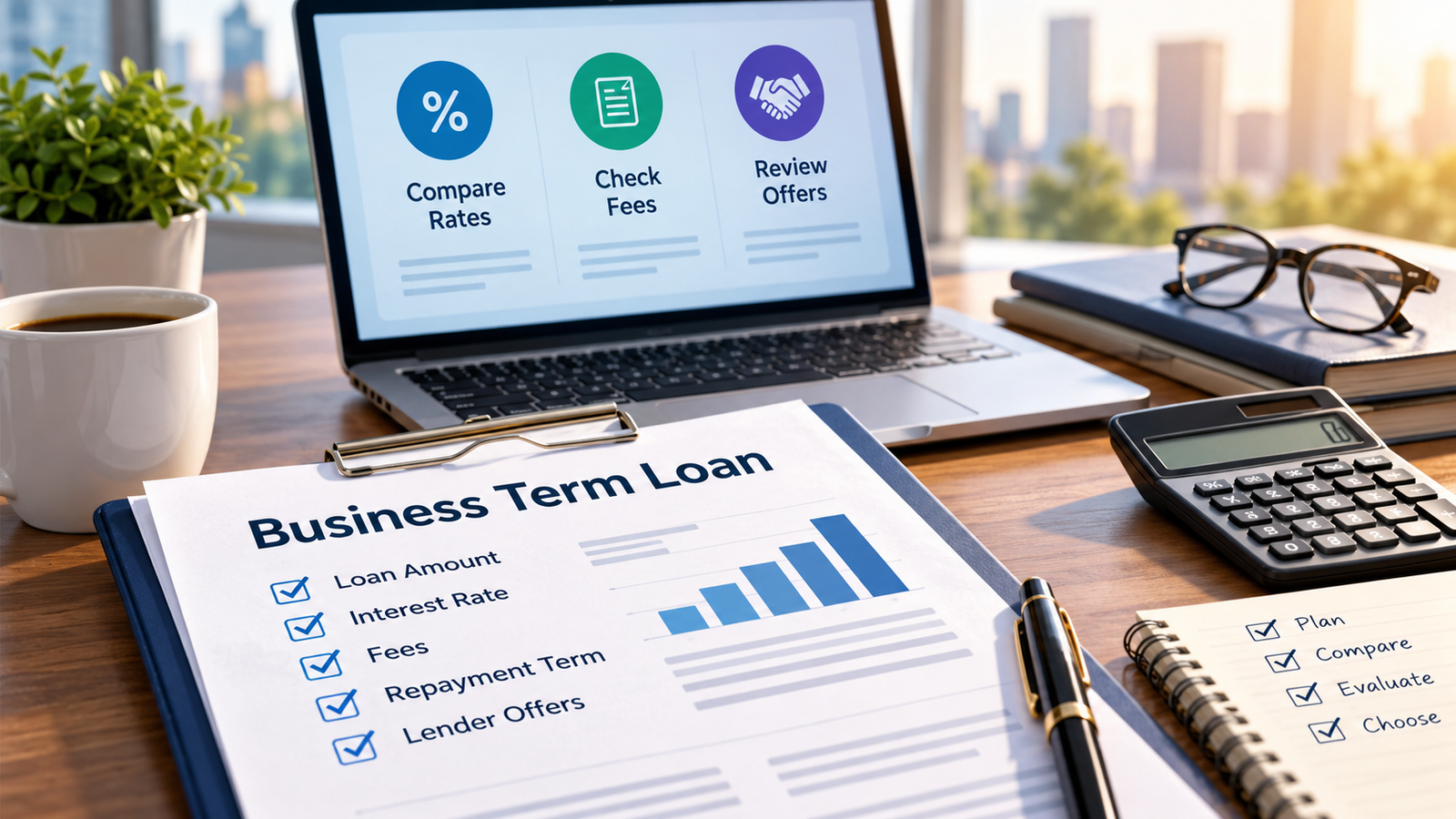
A business term loan provides a defined amount of business capital that is repaid over an agreed period according to a repayment schedule. It can be useful when a business knows how much money it needs, what the money will fund, and which cash flow is expected to repay the debt. For broader comparisons, see … Explore loan terms and costs
Business loans can provide capital for equipment, expansion, inventory, working capital, commercial property, acquisitions, refinancing, and other legitimate business needs. But finding available financing is only the beginning. A strong borrowing decision requires the business to identify the right financing structure, determine what it can realistically qualify for, compare lenders on the same basis, understand … Explore loan terms and costs
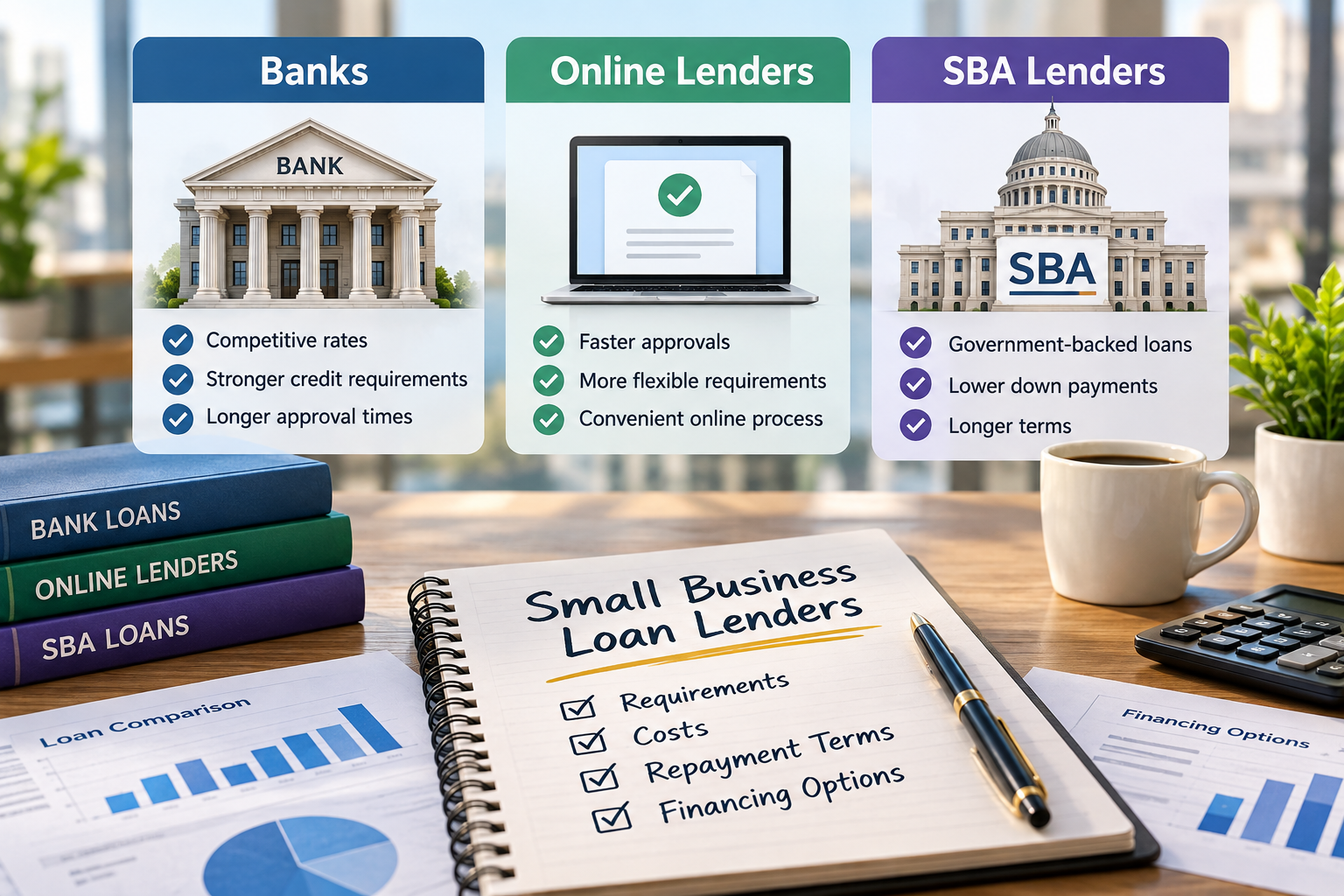
Small business loan lenders can differ just as much as the loans they provide. A bank may offer lower-cost financing but require stronger credit and a longer operating history. An online lender may make the application process faster but use shorter repayment periods or higher borrowing costs. An SBA-partarticipating lender may offer government-backed financing, while … Explore loan terms and costs
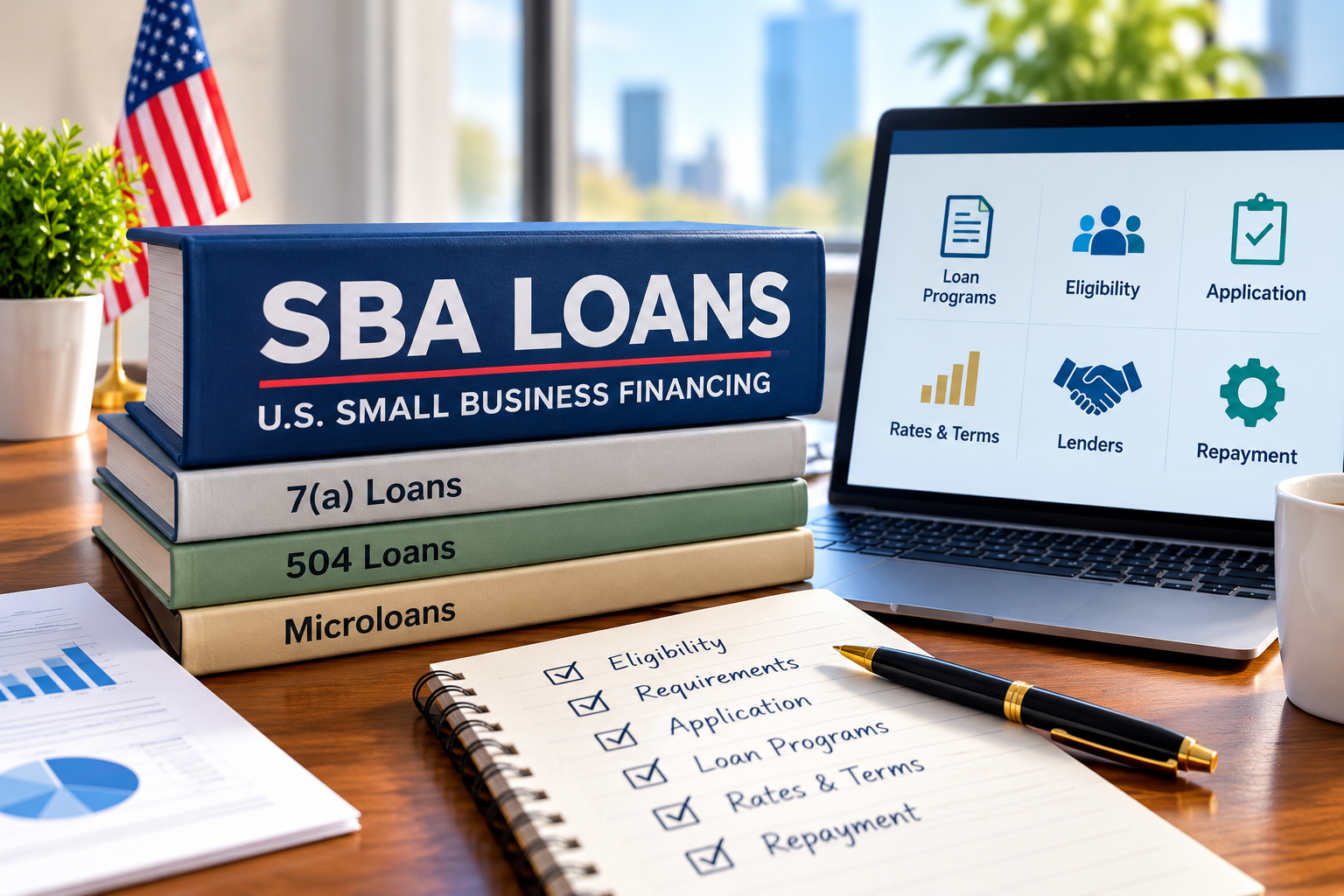
SBA loans are business loans made through participating lenders or approved intermediaries under programs supported by the U.S. Small Business Administration. They can help eligible U.S. small businesses finance working capital, equipment, real estate, business acquisitions, expansion and other permitted needs, but they are not automatic approvals and the SBA does not usually hand the … Explore loan terms and costs

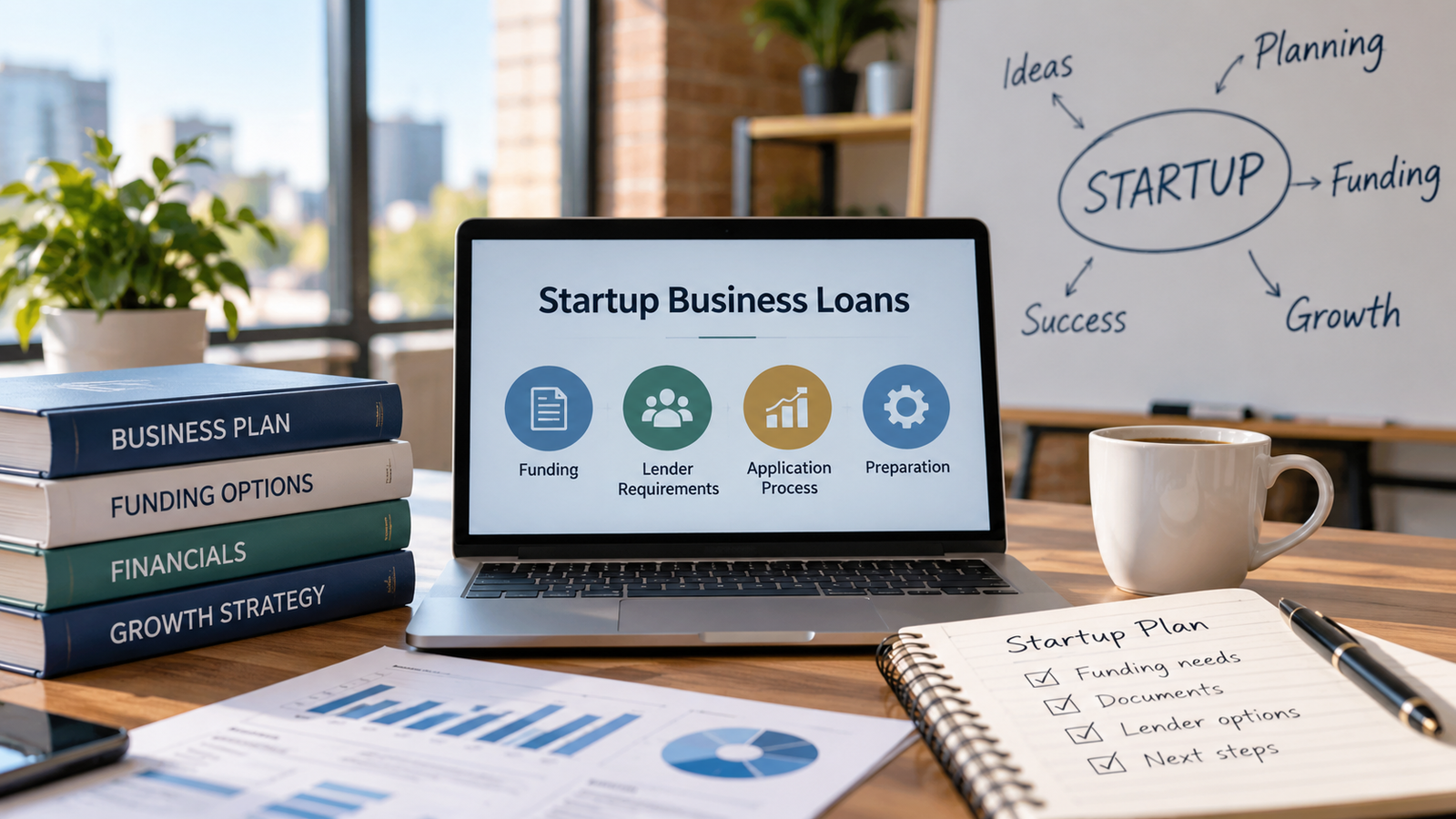
Startup business loans can help a new company pay for equipment, inventory, software, licensing, professional services, premises, marketing, working capital, and other legitimate launch or early-growth costs. The challenge is that a startup often has less operating history, fewer financial statements, and less proven cash flow than an established business. That difference changes both the … Explore loan terms and costs

Startup Business Loans With No Revenue can sound contradictory. A new company may need money before it has customers, yet lenders usually want evidence that debt can be repaid. That tension is exactly why pre-revenue financing requires a different kind of analysis from financing an established company. A startup with no operating sales does not … Explore loan terms and costs
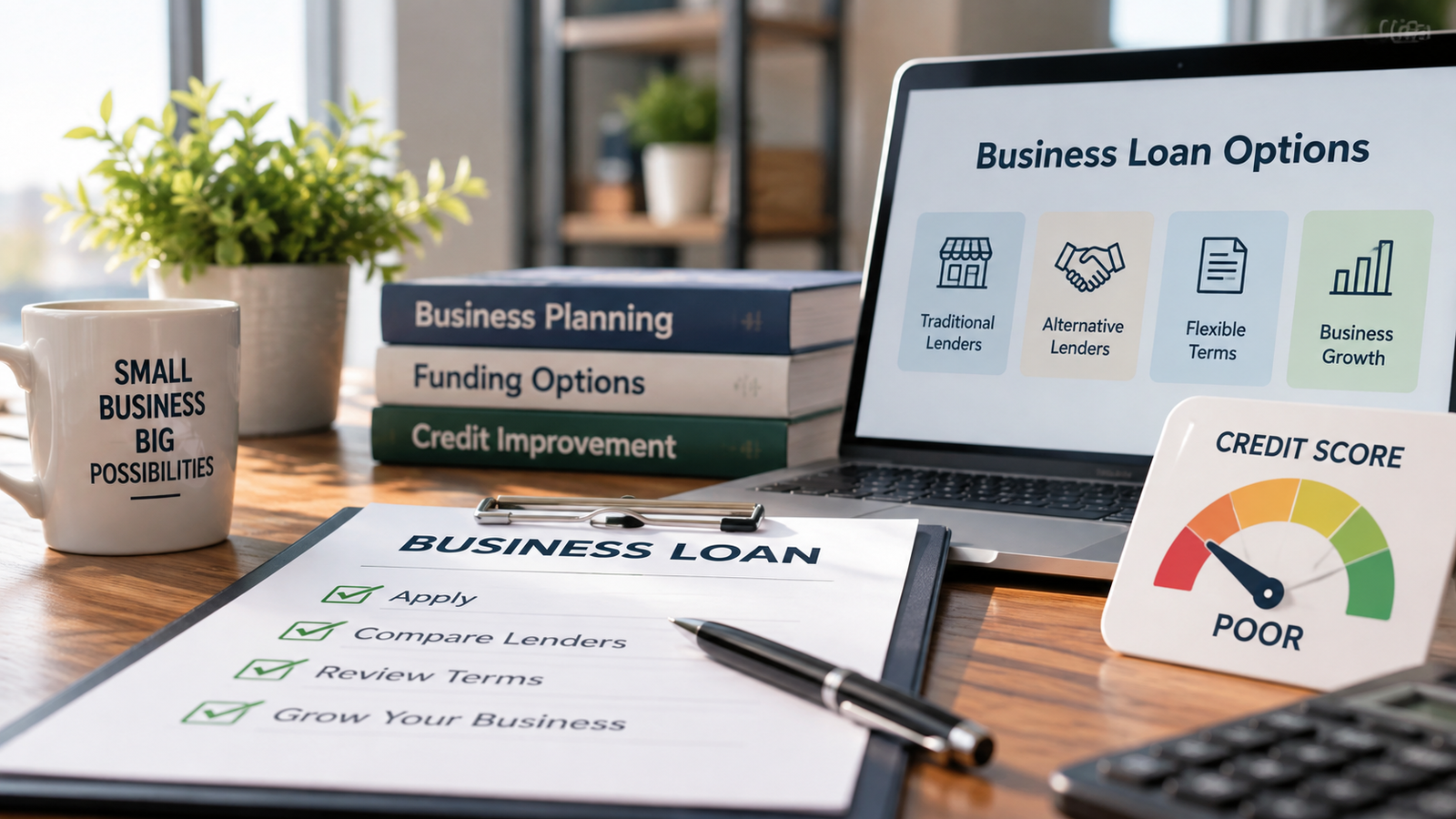
Business loans for bad credit can give U.S. business owners with weaker credit profiles a way to explore financing, but the phrase can be misleading if it sounds like a special product with guaranteed approval. In practice, lenders may review a combination of personal credit, business credit, revenue, cash flow, existing debt, time in business, … Explore loan terms and costs